
From Hype to Halt: Tesla's Cybertruck Experiment Concludes
Tesla's polarising Cybertruck will cease production next year. We unpack its journey from wild reveal to market disappointment and its relevance for South…
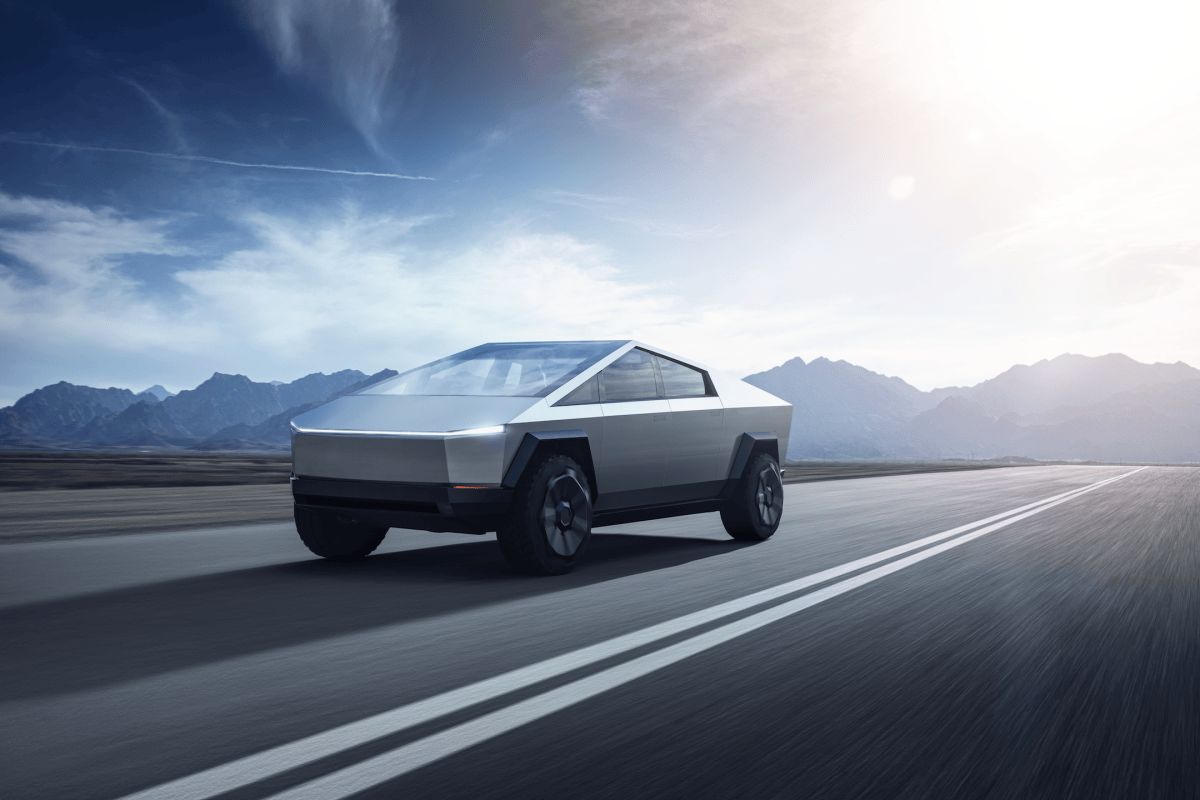
Tesla's highly polarising Cybertruck, a vehicle that ignited both fervent enthusiasm and sharp criticism, is reportedly heading towards the end of its production run. CEO Elon Musk recently confirmed that manufacturing of the distinctive electric pickup will cease next year, marking a relatively short lifespan for one of the automotive world's most talked-about concepts.
The Unconventional Reveal and Untapped Potential
The Cybertruck's unveiling in 2019 was nothing short of cinematic drama. Tesla's head designer, Franz von Holzhausen, famously threw a metal ball at the vehicle's "armour glass" windows, resulting in an unexpected and embarrassing crack, not once but twice. Despite the awkward start and its radical, almost post-apocalyptic aesthetic, the truck initially captivated audiences. Attendees at the launch event, initially taken aback by its avant-garde design, quickly rallied behind the vision, a wave of fandom that translated into an astounding one million pre-orders, according to Musk's statements in late 2023.
Yet, this initial surge of interest failed to translate into sustained sales. Industry estimates suggest only around 71,000 Cybertrucks have been delivered since their first rollout in November 2023. This significant disparity between reservations and actual purchases points to deeper issues beyond its niche appeal.
Unfulfilled Promises and Market Realities
The primary hurdles for the Cybertruck appear to be practical rather than purely aesthetic. Initial promises of a 500-mile (approximately 800 km) range and a starting price under $40,000 (roughly R750,000 at current exchange rates, before duties and taxes) were not met. The production models offered less range and came with a considerably higher price tag, factors that likely deterred many potential buyers who had been drawn in by the initial, ambitious specifications. The vehicle's uncompromising design also limited its mainstream appeal, confining it to a relatively small segment of the market.
Zipline Soars as Other Mobility Tech Evolves
While one ambitious mobility project faces its end, another is soaring. Zipline, the autonomous drone delivery innovator, demonstrates a different trajectory in the evolving tech mobility landscape. The startup, founded in 2014, has seen a period of remarkable expansion and significant financial backing in recent months. Having recently secured over $2 billion in funding across several rounds, Zipline is rapidly accelerating its global footprint, aiming to deploy its vital delivery services in numerous new locations. This highlights the diverse avenues of innovation within the mobility sector, where practical, impactful solutions like drone logistics are finding strong market traction.
The South Africa Angle
The Cybertruck's saga, while playing out largely overseas, offers several pertinent lessons for the South African tech and automotive market. Firstly, the vehicle was never officially destined for South Africa, and its extreme design combined with a hefty price tag (grey imports would likely push it well beyond R2 million) would have made it an exceptionally niche choice for local consumers. South Africa's nascent but growing electric vehicle (EV) market is highly sensitive to practicality, range anxiety, and affordability. The Cybertruck's failure underscores the importance of offering compelling value propositions that align with real-world needs and economic realities, rather than relying solely on aspirational design or brand loyalty.
Furthermore, the contrasting success of Zipline's drone delivery system holds significant relevance. South Africa faces considerable challenges in logistics, particularly for last-mile delivery in dense urban areas and reaching remote rural communities. Autonomous drone technology offers a transformative solution for delivering vital goods, from medical supplies to essential retail items, potentially bypassing difficult terrain and improving efficiency. As South Africa invests in smart city infrastructure and digital transformation, the development and deployment of drone logistics could be a game-changer, improving connectivity and access to services across the country. Local tech entrepreneurs and policymakers should pay close attention to such models that prioritise utility and scalability.
Source: TechCrunch

SA Takes Centre Stage for Global Digital Future: ITU Plenipotentiary 2026
South Africa will host the 2026 ITU Plenipotentiary Conference, taking centre stage in global digital policy. Discover what this means for SA's connectivity &…

Editorial Decision: No Technology Angle Found in Source Article
As 'Tech in South Africa' editor, no technology story found in source about Soul Glo's 'Diaspora Problems' album. Outside publication scope.

Epic Games Levels Up Linux Gaming: Steam Deck and Beyond Get Official Launcher Support
Epic Games brings official launcher support to SteamOS and Linux, widening game access for South African PC gamers and Steam Deck owners. Get local context…

Elon Musk: Decoding South Africa's Most Polarising Tech Export
Explore Elon Musk's tech legacy, from Tesla to Starlink, and its profound, sometimes complex, implications for South Africa's tech landscape and connectivity.

Cybersecurity Maverick: Stephen Ward's Pragmatic Vision Shapes Tech Investment
Stephen Ward, a unique cybersecurity VC, brings a no-nonsense investment approach. Explore his journey and what it means for South African tech and cyber…

SA Auto Industry at a Crossroads: Tech Future Hinges on Policy Urgency
South Africa's auto industry faces decimation in 5 years without clear policy, threatening local EV adoption, tech investment, and skilled jobs.

Putting People First: Old Mutual's Celiwe Ross on Guiding Teams Through the AI Era
The insurer's people and strategy executive on why empathy, communication and continuous reskilling matter more than technology when leading through…